
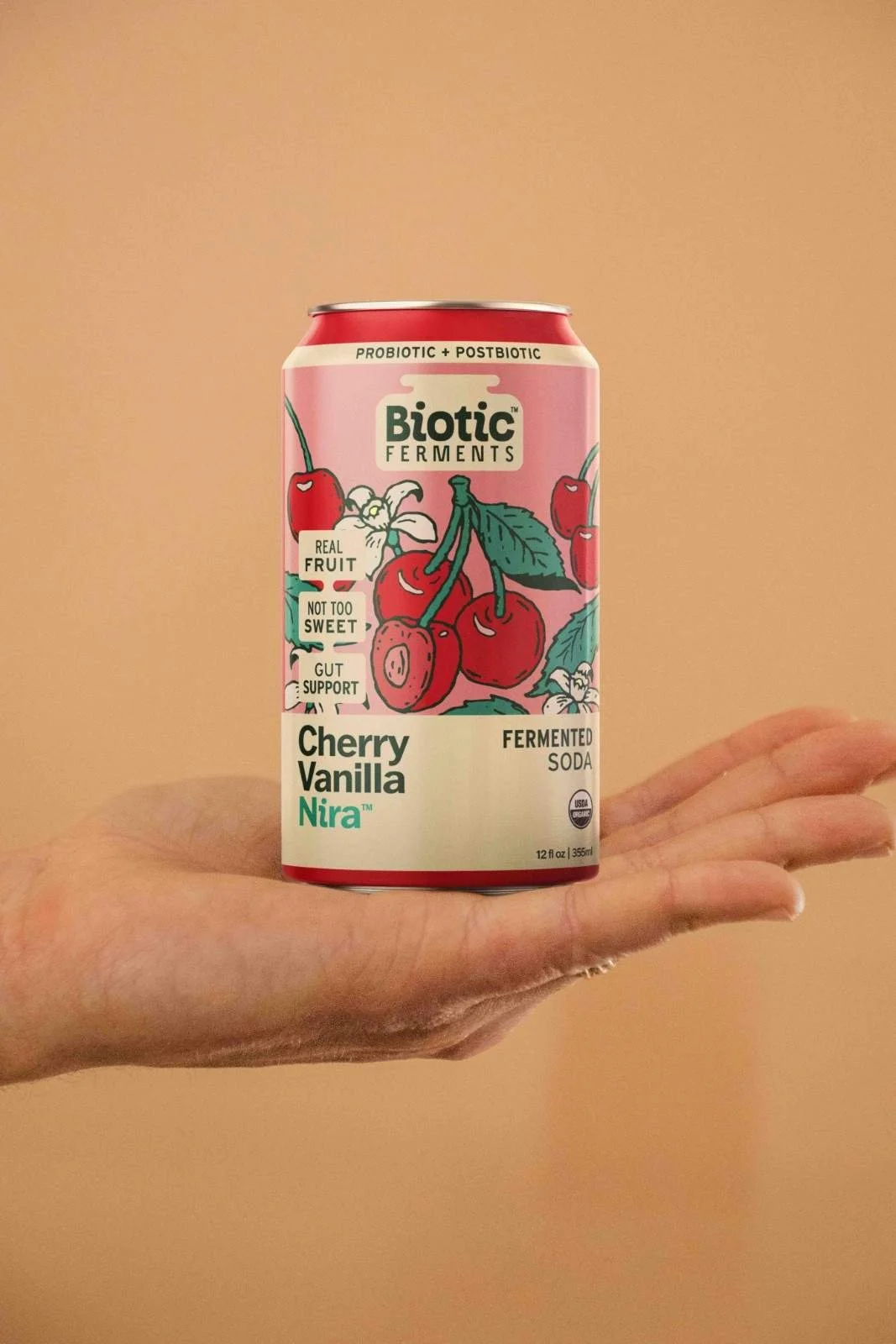

COMPANY PURPOSE:




Theory of Change: When we feel well, we care more—about each other and the planet. Supporting the gut microbiome is one of the most compelling ways to build foundational human health. By increasing human health, we unlock the collective problem-solving capacity to address the social and environmental challenges of our time.
BIOTIC FERMENTS (NOUN): THE LIVING COMPONENTS OF AN ECOSYSTEM THAT BRING ABOUT TRANSFORMATION.
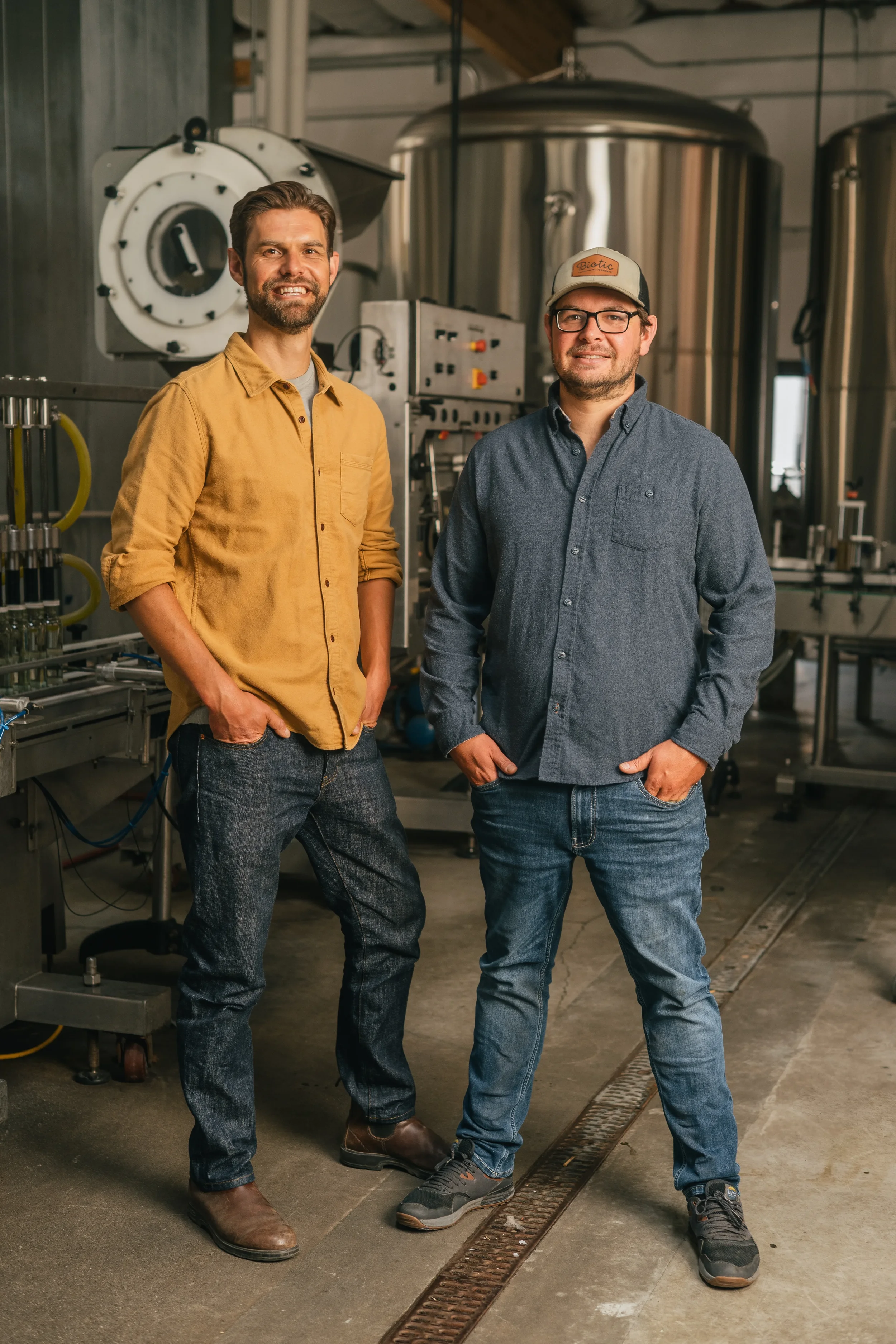
Ryan and Adam Johnston.
We’re brothers, and food is our family’s religion. It’s how we connect, express creativity, and find grounding.
Like many teenagers, sugary, highly processed products were part of our coming-of-age. In college, learning about nutrition and the consequences of industrial food production gave the big backyard garden and chickens we grew up with new meaning. Real food became a quiet form of activism.
Admittedly, we were initially drawn to home fermentation for a better buzz. Batches of beer, mead, and cider made with friends and local ingredients opened the door, non-alcoholic ferments followed, and the exploration has never stopped.
Our beverages are a bridge between past and future, using ingredients and practices that have long supported human health, combined in fresh new ways to delight your senses and support your well-being.

Fermentory powered by
100% renewable energy

Strong regional & regenerative sourcing
Nontoxic & recyclable
packaging

100% of food waste feeds local regenerative farms
WE’RE HARDLINERS FOR CLEAN INGREDIENTS
So we have a Hard No policy on Cane Sugar, High-Intensity Sweeteners and “Natural” Flavors
We’re concerned about the increasing use of these ingredients, especially in beverages. While occasional consumption is not an issue, they have become difficult to avoid. In putting the well-being of our customers first, we’ve decided to categorically avoid them.
Here’s why...
NO CANE SUGAR
There is a growing mountain of research demonstrating the deleterious health impacts of excessive refined sugar consumption. It’s linked to weight gain, immune system suppression, mood swings, imbalances in the gut microbiome, and a long list of diseases, not to mention it’s highly addictive.
Consuming “naked sugar” (without fiber or fat) in beverages is particularly detrimental because it more quickly absorbs, spikes blood glucose, and sends your body on a metabolic rollercoaster.
In addition to the impacts on human health, cane sugar is a tall, thirsty grass that is ecologically destructive to cultivate, and has no nutritional value to the farm communities that grow it.
Our belief is that humans and the planet would generally benefit from less cane sugar consumption, and if it can be avoided, it should be.
NO HIGH-INTENSITY SWEETENERS
The promise of sweetness without calories is enticing. As a result, the use of ingredients like stevia, erythritol, allulose, and monk fruit (collectively known as High-Intensity or Non-Nutritive Sweeteners) has become pervasive, especially in beverages. Calling them 'natural' seems a bit disingenuous, since the versions used in food and beverage are highly processed and far more concentrated than their naturally occurring forms.
According to the National Institute of Health, studies have suggested that Non-Nutritive Sweetener consumption can induce gut microbiota dysbiosis (an imbalance in the gut community) and promote glucose intolerance in healthy individuals, which may result in type 2 diabetes or obesity.
While these results should not be taken as conclusive, they raise very serious concerns about the long-term health impacts of these new ingredients (Saccharin 2.0?). We believe they deserve further study before widespread use, plus we don’t like how they taste!
NO “NATURAL” FLAVORS
While they originate from “natural” sources these flavoring agents are typically highly processed, can contain all sorts of carriers and preservatives, and have little to no nutritional value. They provide beverage producers a cheap and easy way to add flavor and aroma “pop” which is often used to mask lesser quality ingredients. You can think of them as an Instagram beauty filter for flavor, and they are changing our perception of what real nutrient-rich ingredients taste like.
For instance, a raspberry natural flavor isn’t necessarily made from raspberries at all. What is it made from? Sorry we can’t tell you—TRADE SECRET. Most natural flavor companies won’t fully disclose their ingredient lists, even to the beverage producers, like us, who might use them — we’ve asked. (WTF how is that legal!?) We strongly believe in transparency and integrity in the food system, so we are committed to never using these black-box ingredients.

PLANT-POWERED PROBIOTICS:
We use 7 well-studied species of bifidobacterium and lactobacillus in our fermentations. You'll find these same little allies in most of the best-selling probiotic supplements. They don't include yeast and don't produce alcohol or funky vinegar flavors.
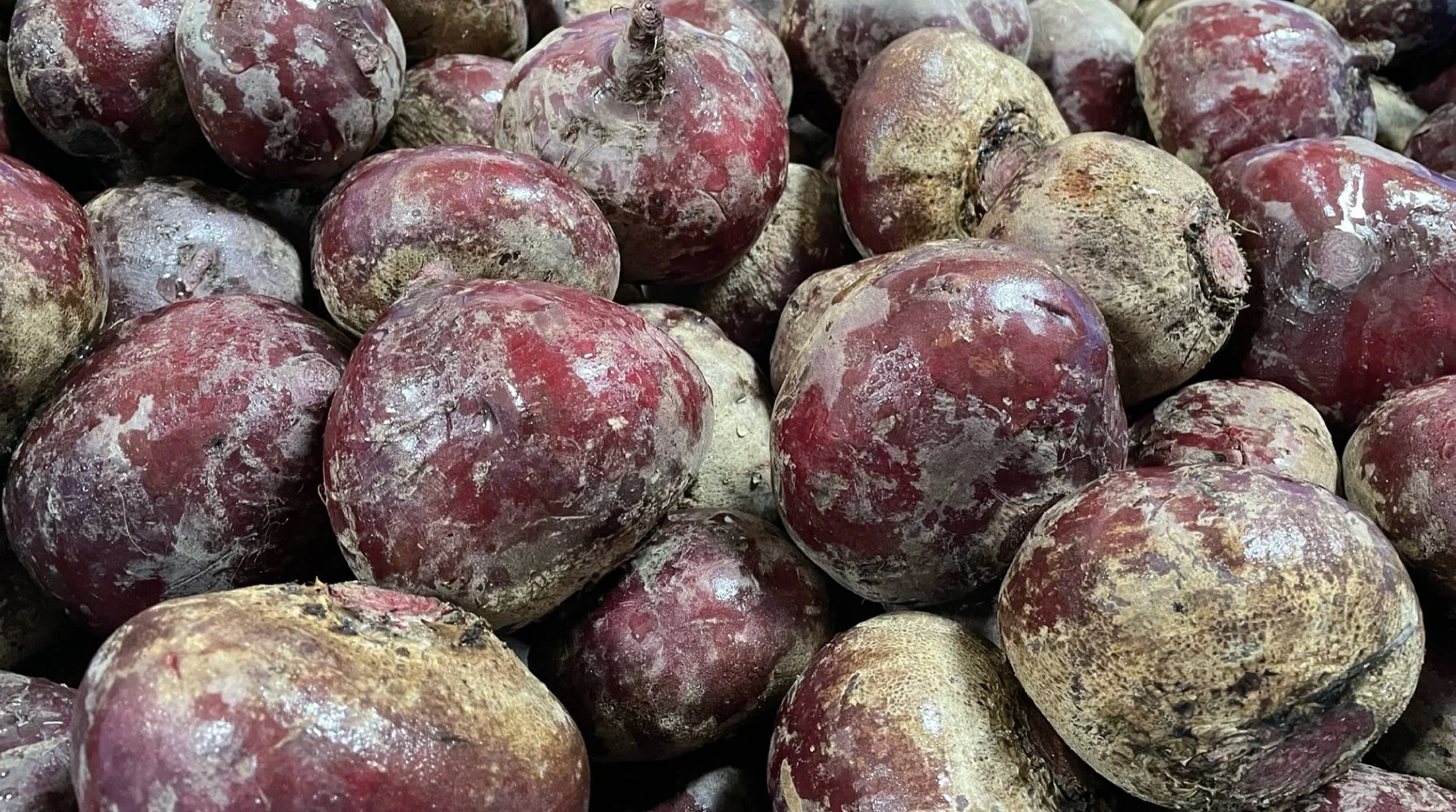
Our fermentations are fed by sliced carrots, beets, or coconut blossom nectar, not cane sugars. That means these little allies are accustomed to digesting real food like they'll encounter in your gut, right out of the bottle.
WHOLE, FRESH INGREDIENTS:
The majority of organic vegetables and fruits that go into our beverages arrive to us whole. We then peel, slice, ferment and cold press them ourselves, as close to your belly as possible.
This might seem trivial, but products with this level of integrity have become incredibly rare in modern grocery stores. We believe that needs to change.
REGIONAL & REGENERATIVE SOURCING:
When it comes to fermented beverages, we are the leaders in regional and regenerative sourcing. The majority of our ingredients (by weight) are grown in our home state of California.
We prioritize buying from farms that go beyond organic by using practices that build soil health and sequester carbon. All of our coconut blossom nectar is Regenerative Organic Certified.
ORGANIC INGREDIENTS:
We source from Certified Organic farms. That means they use no genetically modified crops (GMOs) or Glyphosate (Roundup), which wreaks havoc on gut health.
Supporting organic farming is a foundational step to reducing toxin exposure in our food supply as well as to farmworkers and the surrounding communities.
ZERO FOOD WASTE:
100% of the food byproducts from our beverage production go back to regenerative local agriculture.
Sliced carrots and beets along with pulp from juicing provide a nourishing probiotic and nutrient-rich supplement for the pastured animals of Green Star Farm just up the road in Sebastopol, CA. Farmer Sarah is a shining example of carbon farming — a methodical approach to grazing that actively increases soil health and sequesters carbon.
100% RENEWABLE ENERGY:
Thanks to Sonoma Clean Power, our beverages production facility is powered by renewable energy and uses carbon-neutral water.
Climate Change is the defining issue of our time so we're committed to bold leadership in reducing our carbon emissions and supporting ecological sequestration, starting with the farms where we source our ingredients.